-
7 Factors That Affect the Cost of SEO Services
If you’ve ever wondered why some websites consistently rank higher in search engine results while others struggle to gain visibility, the answer lies in their SEO (Search Engine Optimisation) strategies. SEO is the practice of optimising websites to improve their online visibility and attract organic traffic from search engines. It plays a crucial role in driving targeted traffic and generating leads.
In this blog post, we will explore the seven key factors that influence the cost of SEO Adelaide services. Understanding these factors will help you make informed decisions regarding budgeting for SEO campaigns and investing in professional and reputable SEO services.

I. Keyword Research:
Keyword research forms the foundation of any successful SEO strategy. It involves identifying potential customers’ keywords and phrases when searching for products or services. Comprehensive keyword research requires analysing search volume, competitiveness, and user intent.
The extent of keyword research conducted influences the cost of SEO services. A more extensive and in-depth keyword analysis will result in higher costs due to the effort required to identify the most relevant and valuable keywords. Additionally, competitive analysis plays a crucial role in determining keyword competitiveness, which can impact the cost implications of an SEO Adelaide campaign.
II. On-Page Optimisation:
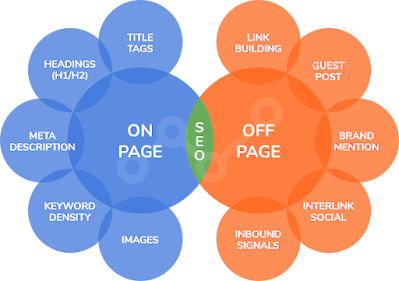
On-page optimisation refers to optimising elements within a website to improve its visibility in search engine rankings. This includes optimising meta tags, URL structures, content, headings, and internal links. Well-optimised on-page elements provide search engines with a clear understanding of the website’s content and relevance to user search queries.
Comprehensive on-page optimisation requires careful analysis and implementation, which can increase the cost of SEO services. However, the long-term benefits of having a website easily navigable and optimised for search engines outweigh the initial investment.
III. Off-Page Optimisation:
Off-page optimisation refers to activities that are conducted outside of the website to improve its search engine rankings. This includes link building, social media marketing, guest blogging, and influencer outreach. These techniques help to build authority and credibility for the website.
The cost of SEO services is influenced by the off-page optimisation techniques employed. Quality over quantity is crucial in off-page optimisation, and investing in reputable and ethical practices can drive better results. The cost implications arise from the time and effort required to build high-quality backlinks and engage with the target audience through social media platforms.
IV. Website Structure and Navigation:
The structure and navigation of a website play a pivotal role in user experience and search engine crawlability. A well-designed website with easy navigation enhances user engagement and encourages visitors to explore further. Additionally, search engine bots can easily crawl and index a website with a logical structure and clear navigation.
Investing in a well-designed and easily accessible website can impact the cost of SEO services. A poorly structured website may require extensive optimisation efforts, increasing costs. On the other hand, a well-structured website reduces the time and effort required for optimisation, making it a cost-effective investment.
V. Content Quality and Relevance:
High-quality and relevant content is the cornerstone of any successful SEO campaign. It not only attracts and engages visitors but also helps search engines understand the website’s relevance to user search queries. Valuable content includes informative blog posts, engaging videos, and compelling product descriptions.
Creating high-quality and relevant content can increase the cost of SEO services. It requires the expertise of content creators, copywriters, and SEO professionals to conduct keyword research, optimise the content, and ensure its relevance to the target audience. However, investing in compelling content is a long-term strategy that yields significant benefits in terms of search engine rankings and user engagement.
VI. Industry Competition:
Competition within an industry can significantly impact the cost of SEO services. Highly competitive industries often require more resources and efforts to achieve desired results. In such cases, SEO professionals need to employ advanced techniques, conduct extensive competitor analysis, and develop unique strategies to stand out in the search engine rankings.
The cost implications arise from the additional time, effort, and resources required to outrank competitors. It is important to consider the competitiveness of your industry when budgeting for SEO campaigns, as it can affect the overall cost of achieving online visibility and driving organic traffic.
VII. Geographic Targeting:
Geographic targeting involves optimising a website to target specific regions or locations. This is particularly relevant for businesses that operate in particular areas or have a local customer base. Geographic targeting requires additional optimisation efforts such as creating location-specific landing pages, optimising Google My Business listings, and targeting local keywords.
The cost of SEO services can increase when geographic targeting is involved. The additional optimisation efforts, including location-specific content creation and local link building, contribute to the overall cost. However, targeting specific regions or locations can significantly improve the visibility of a website in local search results, leading to increased organic traffic and conversions.
Conclusion
In conclusion, the cost of SEO services is influenced by several key factors. Keyword research, on-page and off-page optimisation, website structure and navigation, content quality and relevance, industry competition, and geographic targeting all play a crucial role in determining an SEO campaign’s cost implications.
When budgeting for SEO Adelaide, it is important to consider these factors and invest in professionals like Zib Digital and their reputable SEO services that prioritise quality and long-term success. By understanding these factors and making informed decisions, you can achieve higher search engine rankings, improve online visibility, and drive targeted organic traffic to your website.
-
Voice Search in a Multilingual World: SEO Challenges and Solutions
As technology advances, voice search has emerged as a popular way for users to interact with their devices. With the rise of voice assistants like Siri, Alexa, and Google Assistant, people are increasingly using voice commands to search for information, make purchases, and perform various tasks.
This growing trend has significant implications for search engine optimisation (SEO) professionals, who must adapt their strategies to optimise websites for voice search in a multilingual world. In this blog post, we will explore the challenges Adelaide SEO Professionals face in this evolving landscape and discuss potential solutions.

I. Understanding Voice Search
A. Definition and Explanation
Voice search refers to the use of voice commands to search for information on the internet, rather than typing queries manually. Unlike traditional text-based searches, voice search relies on natural language processing (NLP) technology to analyse spoken queries and provide relevant results. This technology has become increasingly sophisticated and accurate, leading to the widespread adoption of voice assistants.
B. Benefits of Voice Search
There are several advantages to using voice search. For users, it offers convenience and hands-free operation, allowing them to perform tasks while on the go or when their hands are occupied. Voice search also provides instant results, eliminating the need to browse through search engine result pages (SERPs).
II. Multilingualism and Voice Search
A. Global Linguistic Diversity
In a globalised world, catering to multiple languages is crucial for businesses and organisations. With voice search, the challenge of multilingual optimisation becomes even more significant. SEO professionals must ensure that websites are optimised for different languages to reach a diverse audience.
B. Language-Specific Considerations
1. Pronunciation Variations
One of the major challenges in voice search optimisation is the variation in pronunciation across different languages. Voice recognition technology relies on accurate pronunciation to understand user queries. However, accents, dialects, and regional variations can challenge voice assistants. For example, a user with a heavy accent may struggle to have their query accurately recognised. SEO professionals should be aware of these challenges and consider language-specific factors when optimising for voice search.
2. Translation Accuracy
Another consideration in multilingual voice search optimisation is the accuracy of translations. Effective optimisation requires content that aligns with local user intent. Translations should be accurate and culturally relevant to ensure users receive the most relevant results. SEO professionals can work with professional translators or language experts to ensure accurate translations that resonate with the target audience.
SEO Challenges in Voice Search Optimization
A. Natural Language Processing (NLP)
NLP plays a crucial role in understanding user queries during voice searches. SEO professionals must consider how NLP algorithms interpret and analyse spoken queries to provide relevant results. Understanding the intricacies of NLP can help optimise content to align with user intent.
B. Long-Tail Keywords vs Conversational Queries
1. Traditional Keyword Optimization
Traditionally, SEO professionals focused on optimising websites for specific keywords by incorporating them into content, meta tags, and other on-page elements. However, voice search queries are often more conversational in nature, resembling natural language rather than specific keyword phrases. This shift in user behaviour requires a new approach to keyword optimisation.
2. Adapting to Conversational Queries
To adapt to conversational queries, SEO professionals should identify long-tail keywords that mimic natural language. These keywords are often more specific and reflect how users ask questions verbally. Incorporating these conversational queries into content can increase its relevance and visibility in voice search results.
IV. Solutions for Voice Search Optimization
A. Structured Data Markup
Structured data markup, also known as schema markup, is crucial in improving visibility in voice search results. By providing search engines with additional context about the content on a webpage, structured data helps them understand and interpret the information more accurately. SEO professionals can implement schema markup to enhance the chances of appearing in voice search results.
B. Mobile-Friendly Websites
With the increasing use of smartphones and mobile devices, optimising websites for mobile users is essential. Mobile optimisation is necessary for voice search, as many voice searches are performed on mobile devices. Responsive design, fast page speed, and other mobile-friendly factors should be considered to provide a seamless experience for mobile users.
C. Featured Snippets and Position Zero
Featured snippets, or position zero, are snippets of information that appear at the top of SERPs, providing concise answers to user queries. Voice assistants often read these snippets aloud when responding to voice searches, and optimising content to appear as featured snippets can significantly increase voice search results’ visibility. SEO professionals should focus on creating high-quality, concise answers to common user queries to increase the chances of being featured.
V. Conclusion
In a multilingual world where voice search is becoming increasingly popular, SEO professionals face unique challenges in optimising websites for voice search. By understanding the nuances of voice search and considering language-specific factors, SEO professionals like Zib Digital can develop effective strategies to reach a diverse audience. Implementing solutions such as structured data markup, mobile optimisation, and targeting featured snippets can enhance voice search results’ visibility. As the world of SEO continues to evolve, professionals must stay updated with industry trends and adapt their strategies to succeed in a multilingual voice search environment.
-
7 Proven Techniques to Optimise for User Intent in SEO
In the dynamic world of SEO, keeping up with the latest trends and techniques is paramount. One of the most crucial aspects of search engine optimisation is understanding and catering to user intent. It’s not just about ranking high on search results; it’s about providing value to your audience. In this blog post, we’re going to explore 7 Proven Techniques to Optimise for User Intent in SEO.
1. Conduct Comprehensive Keyword Research
The foundation of any successful SEO strategy lies in thorough keyword research. This is where Zib SEO Adelaide truly shines. By identifying high-intent keywords that align with your content, you’re better equipped to attract the right audience. Tools like Google Keyword Planner and SEMrush can be invaluable in this process.

2. Create High-Quality, Relevant Content
Content is king, and this is an adage that still holds true. When you’re aiming to optimise user intent, your content should be informative, engaging, and directly relevant to the keywords you’re targeting. Zib SEO emphasises the creation of content that not only ranks high but also keeps visitors on your page.
3. Understand Different Types of User Intent
User intent isn’t one-size-fits-all. It can be informational, navigational, transactional, or even commercial investigation. Tailoring your content to address these different types of intent can significantly enhance your SEO efforts. Zib SEO Adelaide takes a nuanced approach to understand and cater to diverse user intents.
4. Optimise Meta Descriptions and Titles
The first thing users see on search engine results pages is your meta description and title tag. These elements should be compelling and directly related to the user’s query. By incorporating relevant keywords and a clear call-to-action, you increase the chances of capturing the user’s interest. Zib SEO experts pay meticulous attention to crafting effective meta descriptions and titles.
5. Improve Page Load Speed and Mobile Responsiveness
User experience is a critical factor in SEO. If your page takes too long to load or doesn’t render properly on mobile devices, you risk losing visitors. Zib SEO emphasises the importance of a speedy, mobile-friendly website, ensuring that users can easily access and navigate your content.
6. Utilise Structured Data Markup
Structured data markup helps search engines understand the context of your content, which is invaluable for catering to user intent. By using schema markup, you provide additional information about your content, which can lead to rich snippets in search results. Zib SEO incorporates structured data markup to enhance the visibility of your content.
7. Monitor User Behavior and Adjust Accordingly
SEO is an ever-evolving field, and it’s crucial to adapt to changing user behaviour. Utilise tools like Google Analytics to track user interactions, bounce rates, and other key metrics. This data provides valuable insights into what’s working and what needs adjustment. At Zib Digital, we continuously analyse user behaviour to refine our SEO strategies.
Conclusion
In conclusion, optimising for user intent is a multifaceted approach that requires a deep understanding of your audience and the search landscape. By implementing these 7 Proven Techniques and partnering with Zib SEO Adelaide, you’re not only boosting your search rankings but also providing genuine value to your audience. Remember, it’s not just about clicks; it’s about meaningful engagement.
Ready to take your SEO strategy to the next level? Contact Zib Digital today!
-
Ultimate Guide to Finding the Best SEO Company for Your Website
Hey there! Today, we’re going on an exciting adventure to discover the perfect SEO company for your website. SEO is like a magic spell that makes your website appear higher on search engines like Google. It’s like having a treasure map that leads people straight to your website!
Why SEO is So Important: Let’s Get Started
SEO is super important because it helps your website stand out in a crowded online world. It’s like having a special key that opens the door to more visitors and potential customers. When people search for something on the internet, SEO helps your website show up, and that’s awesome for your business!
The Dream Team of SEO: What to Look For
Experience and Expertise: The Wizards of SEO
To find the best SEO company, look for ones with lots of experience and expertise. They should know all the tricks and secrets to make your website shine. It’s like having magical guides who know the path to success!
Transparency and Communication: The Magic Portal to Trust
A great SEO company like Zib SEO in Adelaide will keep you in the loop and be honest with you. You’ll want someone who talks to you regularly and explains everything clearly. It’s like having friends who always keep you informed and never keep secrets!

Custom Strategies: One Size Doesn’t Fit All
Every website is unique, just like you are! The best SEO companies will understand your website’s special needs and make a plan just for you. It’s like having a tailor who makes clothes that fit you perfectly!
Proven Results: The Magic Proof
Look for an SEO company that can show you their previous work and the awesome results they’ve achieved. It’s like seeing a magic show with real tricks that amaze you!
Avoiding the Tricky Sorcerers: Things to Watch Out For
Black Hat Sorcery: Beware of Shady Practices
Some SEO companies use sneaky tricks to get quick results, but they can get your website in trouble with search engines. Stick with companies that play by the rules and use ethical practices.
The #1 Ranking Trick: Don’t Fall for It
No one can guarantee that your website will be the very first on Google. It’s like someone promising you’ll win a race without knowing who else is running. Be cautious of promises that sound too good to be true!
The Quest for the Perfect SEO Company: Questions to Ask
Can you show me examples of your successful work?
Ask the SEO company to share stories of other websites they’ve helped. It’s like seeing trophies that prove they’re good at what they do!
How do you keep up with SEO changes?
SEO is always changing, so you want a company that stays updated. It’s like having friends who know all the latest trends and tell you about them!
How do you use keywords to help my website?
Keywords are like magic words that bring visitors to your website. Make sure the company has a plan to use the right keywords to help your website be found!
How will we know if we’re successful?
Success is not just about higher rankings but also getting more visitors and customers. Make sure the company cares about your goals and measures success in a way that matters to you!
Conclusion: Your Adventure Begins
Congratulations, brave adventurers! You’ve learned the secrets to finding the best SEO company for your website. SEO is like a thrilling journey that never ends, and your chosen company will be your trusty guide.
So, get ready to see your website shine and attract visitors from all over the internet. With an expert SEO company such as Zib SEO Adelaide, your online dreams can come true! Now, go forth and conquer the digital world with the magic of SEO!
-
SEO Services: Essential Tips And Tricks For Optimizing Your Website
SEO services are critical to the success of any website, but they can be difficult to execute correctly. It’s important to know what you’re doing and why you’re doing it, so that you get the best results possible. I put together this list of essential Adelaide Search Engine Optimization tips for your next project!
Know your competition.
You can’t optimize your site if you don’t know what your competitors are doing. To get started, take a look at their websites and see what keywords they are targeting.
You should also take note of the traffic that comes from those keywords (who do they rank for?) and what kind of content they publish (how often do they publish?). This will help you understand how to get in front of them through search engine optimization.

Optimize your site’s content.
Optimizing your site’s content is essential for a successful SEO campaign. To optimize your content, you should use keywords in your site’s title, meta description and body.
You can also use long-tail keywords that are more specific than broad terms and phrases. The longer the keyword phrase is, the more likely it will be searched by potential customers online. The key here is to make sure that the content on your website contains those long-tail phrases so that people will actually find what they’re looking for when they search online!
Use social media to your advantage.
Social media is an essential part of any online marketing strategy, and it’s one of the best places to start when optimizing your website for search engines.
Use hashtags on Twitter and Instagram to get more exposure for your brand or product. A hashtag is simply a word or phrase preceded by a hash mark (#), which allows users to search for specific content on that platform.
Think about both technical and on-page SEO.
The importance of technical SEO is often overlooked. You can optimize your website’s content, but if it’s not accessible to search engines or doesn’t load quickly, those efforts won’t matter.
Technical SEO is all about making sure your site works well for users and search engines alike. It includes things like making sure images are optimized for speed and size; ensuring that links are set up correctly; ensuring content is easily crawlable by search engines; ensuring HTML code on pages isn’t blocked by any robots or meta tags (such as nofollow); keeping security measures up-to-date with HTTPS encryption protocol across all pages of the site–and more.
Check for broken links in your website’s navigation.
Another important step in your website optimization process is to check for broken links. Broken links can be a sign of larger problems with your site, including technical issues and coding errors.
If a user clicks on a link that leads them to an error page, they will be less likely to return to your site or recommend it to others. Broken links also make the navigation of your site look unprofessional, which could make users leave right away without ever seeing what else you have to offer.
Conclusion
In conclusion, Adelaide Search Engine Optimization is a complicated topic and there’s no one-size-fits-all solution. However, if you follow the tips above and understand the basics of how search engines work, then you’ll be well on your way to ranking higher in Google’s search results.
-
The Future Of SEO: Predictions And Trends For 2023
SEO is an ever-evolving industry. To stay ahead of the curve, you need to be on top of the latest trends and predictions about how search engines will evolve over time. We’ve gathered insights from some of the leading SEO Adelaide experts in their field.
Those who have been working with SEO for decades and those who know what works best today — to share with you what they think will happen in 2023 when it comes to search engine optimisation.
If you’re looking for ways to improve your SEO strategy now or just curious about where things might be headed tomorrow, read on!
Voice search optimisation
Voice search optimisation is a new way to interact with search engines, and it’s becoming more popular. Voice searches are on the rise, but they’re not going away anytime soon.
The future of SEO in Adelaide is all about voice, so you need to start optimising your website now if you want to stay ahead of the curve!
High-quality content and user experience
Content is king. It’s the most important factor in SEO and it will continue to be so for years to come. In fact, we predict that content will become even more important than it already is!
Content gives your website authority and trustworthiness, which are key factors in ranking well in search results. If you have high-quality content on your site, people will visit more often because they find what they’re looking for quickly and easily. This means more traffic for you–and potentially more conversions as well–which translates directly into higher rankings.
Artificial intelligence and machine learning
Artificial intelligence and machine learning are the two most important technologies that will shape the future of SEO. AI will help improve user experience by making websites easier to use, while machine learning can be used to improve search results.
It’s also likely that these technologies will be used to create better content faster by automating some of the writing process (for example, by using natural language processing).
Personalisation and hyper-local targeting
Personalisation is a key factor in search engine optimisation. It’s the process of tailoring content to suit a particular user’s needs based on location, device, time of day and more.
Personalisation can also be used as a way to hyper-localise your website or app content. Consider this example: you’re looking for a pizza place near you and there are two options–one that has great reviews but is farther away from where you live and another that has mediocre reviews but is closer by.
If both restaurants were ranked equally by Google (which they probably won’t be), then personalisation could help make sure that people see only information relevant to them when searching online.
Conclusion
SEO is a constantly evolving field that requires constant attention and innovation. The changes we’ve seen in the past few years will continue to have an impact on how businesses approach their SEO Adelaide strategies, but there are also new trends emerging that we can’t ignore.
As you plan for the future of your website or blog, keep these predictions in mind so that you can stay ahead of the curve!
-
Can Paid Search Impact Your SEO Efforts?
The world of search engine optimisation (SEO) is constantly evolving. What once was the sole province of web developers and marketers is now available to any business with a website. That’s because SEO Adelaide has evolved from the back-end work that only experts could do, into front-end digital strategies that can be used by anyone with an internet connection.
And one of the best ways to use SEO to your advantage? Paid search advertising—which involves buying ad space on Google, Facebook or other sites for a price per click or impression—is one-way companies can attract new customers and grow their online presence.
Builds brand awareness
Paid search is an excellent way to build brand awareness. If you don’t know the brand, you won’t buy it. This is especially true for B2B products and services where customers may not have heard of you before.
Brand awareness is more than just a logo; it’s about knowing what makes your company special and why your customers should buy from you instead of someone else.
Your website should reflect this by including specific information about what makes your product or service unique compared with other options available on the market today–and making that message clear through both text content as well as images (or videos).
Visibility in the SERP
Paid search can help you rank for more keywords.
How? Well, the best way to understand this is by example. Let’s say you’re selling mattresses on your website and want people who are looking for “best mattress” or “top rated mattresses” to find your site when they search those terms in Google.
If you have an SEO Adelaide strategy in place that focuses solely on gaining organic rankings for these phrases (through content, links and other factors), then it could take months before your site shows up in the SERP (search engine results page).
But if you also invest some money into paid ads that target those same terms, then suddenly those visitors will start seeing your ad at the top of their results!

Enhanced keyword research
Paid search is a great place to start your keyword research.
Keyword data can help you understand what your customers want, what they’re looking for, and which terms are most likely to drive traffic to your website. This information will also be useful in determining whether or not it’s worth investing more heavily in a particular keyword or industry.
Should you focus on SEO or PPC?
While SEO is a long-term strategy, PPC is a short-term strategy. Both are necessary to achieve your goals. If you want to rank on page 1 of Google and drive traffic from search engines, then you need both SEO and PPC.
The best way to use both of these tools together is by using them in conjunction with each other. You should have one goal in mind when doing this: improving rankings while driving sales through your website or landing page(s).
Conclusion
SEO and PPC are two very different strategies that can complement each other. While PPC is great for driving traffic to your website, SEO Adelaide helps you rank higher in organic search results. If you’re looking at ways to improve your online presence, it may be worth considering both options!
-
5 Internal Linking Strategies to Boost SEO and Drive Organic Traffic
Internal links are the essential building blocks of every website, but they’re also one of the most undervalued SEO Adelaide strategies. Internal linking is a fundamental way to increase your site’s authority by directing search engines and users alike toward your most important content. But internal linking doesn’t just benefit SEO; it also helps with user experience and can even reduce bounce rate. In this article, we’ll look at five ways you can leverage internal linking to get more traffic from search engines and improve your overall user experience at the same time.
1. Identify pages with strong external backlink profiles to link from.
The first step to internal linking is identifying pages with strong external backlinks. This can be done by using tools like Ahrefs and Moz, which will show you the number of links pointing to each page on your site. You’ll want to look for pages that have a high number of quality external backlinks, as well as those linked from other websites (especially high-ranking ones).
2. Identify pages with strong external backlink profiles that you can redirect.
- Identify pages with strong external backlink profiles that you can redirect.
- Redirecting to a new page is one of the easiest ways to leverage your existing content, especially if there are already quality backlinks pointing at it.
- You can use either the 301 or 302 HTTP status codes for redirects; 301 means permanent and 302 means temporary.
- Keep in mind that this type of internal linking strategy could cause an initial drop in rank as Google takes time to discover the new URL structure and index it appropriately, but over time this should be overcome by increased traffic from better rankings on search engine results pages (SERPs).
3. Identify relevant pages to link from.
- You can do this by running a keyword analysis on your site, looking at the pages that are ranking for the keywords you want to rank for, and seeing which ones have good external links coming into them.
- If possible, try to link from those pages with a high level of engagement (e.g., they have lots of comments or social shares). This means people are interested in the content and therefore more likely to click through if there’s an internal link pointing back at them!
4. Check for keyword cannibalization.
Keyword cannibalization occurs when the same keyword is used in multiple places on a page. This can be bad for SEO in Adelaide because it dilutes the relevance of that keyword to each page, making it harder for Google to determine which page should rank higher.
For example, if you have “red shoes” written in your title tag and then again in an H1 tag on your home page, this will cause problems for Google because it doesn’t know which one should be given priority by search engines when someone searches for “red shoes.” To fix this issue make sure that you only use one instance of each related term per page; no more than two at most!

5. Fix broken (404) and redirecting (301, 302) internal links
- 404 pages are a sign of poor internal linking.
- Redirecting pages are also a sign of poor internal linking.
- You need to fix broken and redirecting internal links if you want to improve the performance of your website’s search engine rankings.
You can do this by using the right HTTP status codes when you create new URLs or change existing ones on your site: 301 (permanent redirect) and 302 (temporary redirect).
Conclusion
Internal linking is a great way to boost SEO Adelaide and drive organic traffic. It can also help you identify pages that need attention or content updates, as well as broken links that should be fixed. By using these five strategies, you’ll be able to create a more robust internal link structure that will benefit both your users and search engines alike!
-
5 Sure-fire Approaches To Win at On-Page and Off-Page SEO in the 2023s
The SEO landscape has changed since the early 2030s when it was still possible to get ahead by boosting your rankings with a few powerful keywords and some backlinks. Now, search engines have become much smarter, with algorithms that measure everything from text quality to user experience. To stand out in today’s competitive market, you need a professional SEO Adelaide strategy that can adapt to these changes and achieve results for you. Fortunately, there are several proven approaches for getting ahead in Google’s increasingly complex matrix of relevancy scores:
Extensive Use of In-Content Multimedia
Images and videos are a great way to break up text and make content more interesting. You can also use infographics, podcasts, or other multimedia to increase engagement with your audience.
In-content multimedia is very effective at providing emotional triggers that encourage readers to take action on the site (i.e., buy something). This type of content should be used sparingly throughout the post—not just once or twice—so as not to overwhelm your audience but not so little that it seems like an afterthought, either.
Exhaustive Valuable Content
If you want to win at the on-page and off-page SEO Adelaide strategy, you need to create exhaustive valuable content. Here are some techniques for creating high-value content:
- Long-form content (1,500 words or more) is a surefire way to provide your users with all the information they need.
- Internal links help your users navigate around your site and find what they’re looking for. They also improve the overall user experience by making it easier for people to find what they need quickly without needing to leave the site entirely (and thereby losing their spot in line).
- External links send traffic out of your own website and onto other sites so that you can get some extra exposure across platforms. This helps build up an audience outside of just those who regularly visit yours!
Page Performance
A slow page load speed is one of the most common and significant factors that can impact your search engine rankings. This is because Google considers a number of different factors when determining a website’s search engine ranking, but it seems that page load speed may be the most important one for SEO success.
Page performance matters for both users and Google itself. For users, a fast-loading website means that they can use their time more efficiently: they’ll wait less time before receiving information and being able to move on with their day.
And Google also benefits from this by having access to higher quality content sooner than smaller competitors who may not have optimized their sites as well.
Therefore, it’s crucial to make sure your site loads quickly across all devices, so you don’t lose visitors or have them bounce off after seeing how long it takes pages to load up!
Keyword Value Vs. Search Volume
One of the most common mistakes that people make when choosing keywords is to focus too much on search volume. While it’s good to consider how many people are searching for a given phrase, it’s also important to consider how valuable those searches are in terms of actually leading users toward your site.
Content Volume At Scale
One of the most important steps you can take to win in the long-term is to focus on high-quality, high-value content. This means creating content that is:
- Relevant and easy to read/understand
- Long form (not short paragraphs)
- Timely and topical
Conclusion
The landscape of SEO Adelaide strategy is constantly changing, but the most important thing you can do for your business is to keep up with the latest trends and adapt your strategy accordingly. We hope these tips will help you stay ahead of the curve in what’s sure to be an interesting year for SEO!
Source: https://professional-seo-adelaide.blogspot.com/2023/01/5-sure-fire-approaches-to-win-at-on.html
-
Why SEO Is Such A Crucial Component Of Your Marketing Mix?
In today’s business climate, whether you run small or big businesses, it’s essential to have a digital marketing strategy for success. In the digital era, if you’re not online, you’re invisible.
However, when budgets are tight, it’s usually the marketing budget that’s the first to be on the chopping block.
Unfortunately, more often than not, when finances get tough, many will turn to SEO Adelaide for the necessary loss – but this is the biggest mistake they could make!
So, why is a strong SEO strategy so crucial to your business?
We’re here to show you a few reasons why it should be included in your marketing mix.
SEO Can Increase Your Visibility And Drive Traffic To Your Website
One of the essential functions of SEO Adelaide is improving visibility, which means making it easnnier for prospective customers to find you when they search for something you have to offer.
The higher you rank on a (SERP) search engine result page, the more chances are to see you and click through to your site.
Increasing web traffic is the main aim of SEO, and this is increased when you increase your rankings and visibility.
The higher you are ranked, the more traffic you will gain, “nearly 33% of clicks go to the first ranking page, and the first five listings get over 75% of all clicks.”
SEO Builds Trust And Credibility
Trustworthiness is the heart of SEO. When a customer performs a search, they expect that the result of their search will be reliable and correct.
That is why Google introduced its E-A-T guidelines, which ensure that content has expertise, trustworthiness, and authority.
“Customers want brands they can rely on, and research has shown that trust is one of the big factors for customers buying from brands”.
When you rank high on the search engine result page, it shows customers that you are a trustworthy source of information.
Even With Tight Budgets – Businesses Can Benefit From Well-Done SEO
One of the incredible benefits of SEO is that it may not even have to cost you anything!
SEO is different from other forms of marketing, where you must pay for ad space, clicks, or the exposure of your brand to customers.
SEO can be completely free, but it does require time, effort, and skill (quite a bit of time).
Paid search components can be incorporated into your marketing strategy in a variety of ways to help you increase visibility, but they are not essential to a successful SEO campaign.
Budget-conscious businesses can benefit greatly from SEO; they just need to use it correctly. “That’s what is so great about SEO: Results don’t come from more money put into it but from all the simple efforts that add up to your success”.
Conclusion
By now, you should understand how crucial SEO Adelaide is. It really is among the best digital marketing tools out there.
If you want to grow your brand, go to SEO “Gym” Many businesses have been transformed by SEO. Make use of it to change yours as well.


-
Subscribe
Subscribed
Have a WordPress.com account? Log in now.

